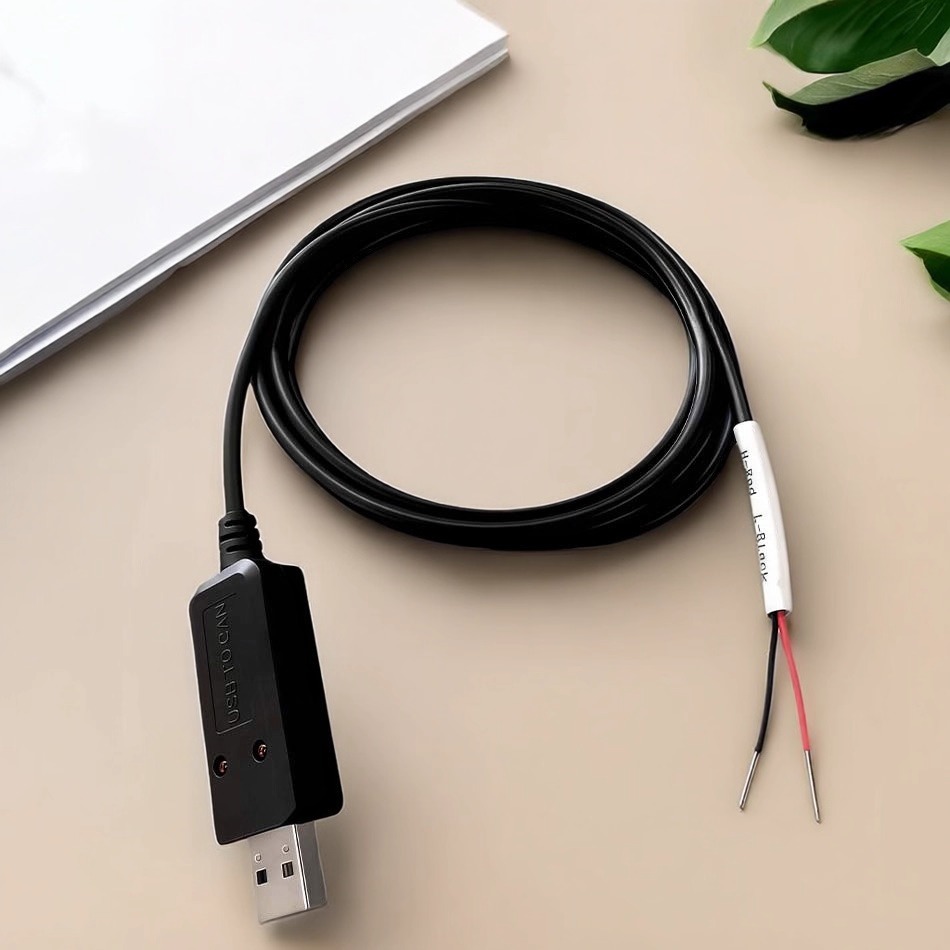
Empower Your Automotive Diagnostics & Development with High-Speed CAN FD Technology
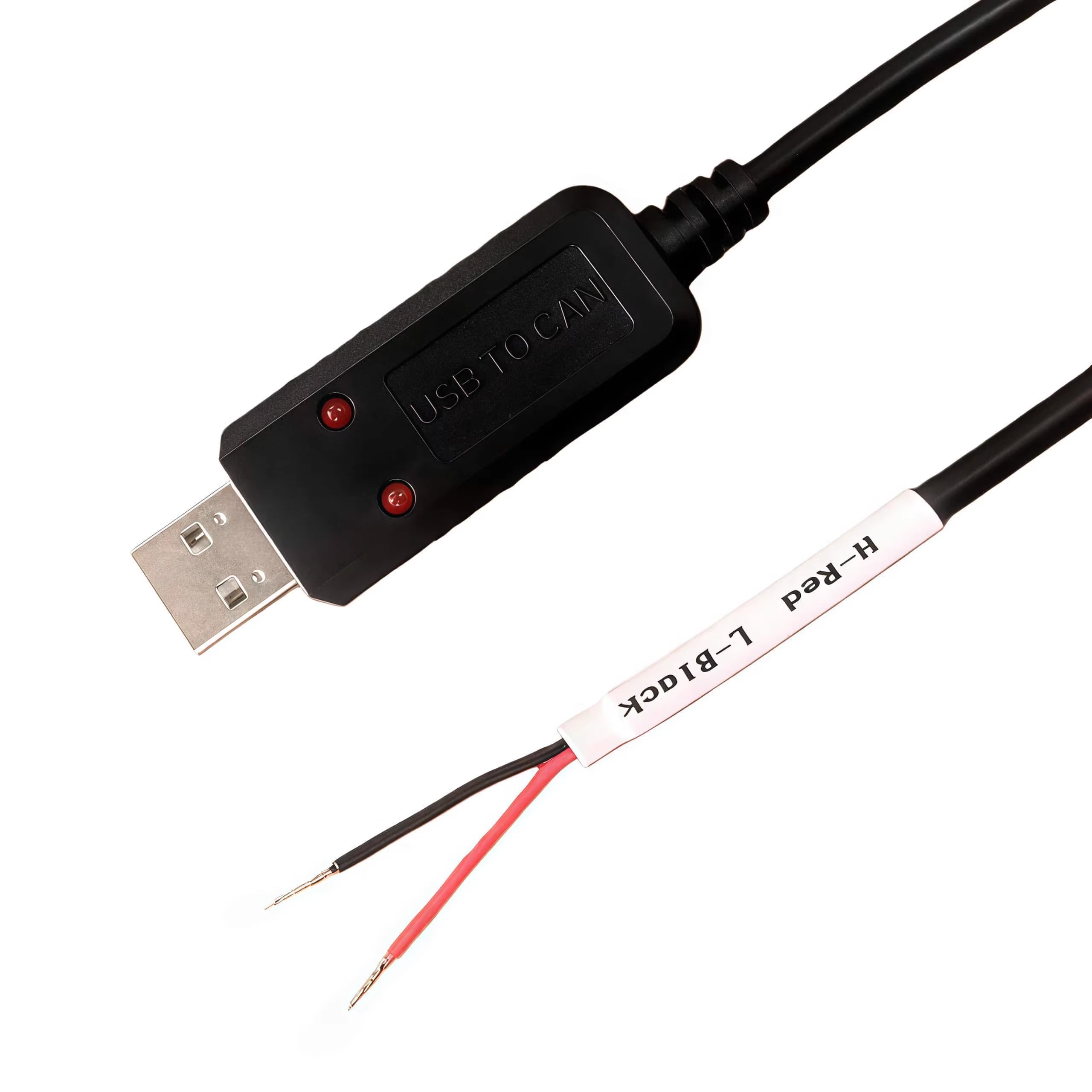
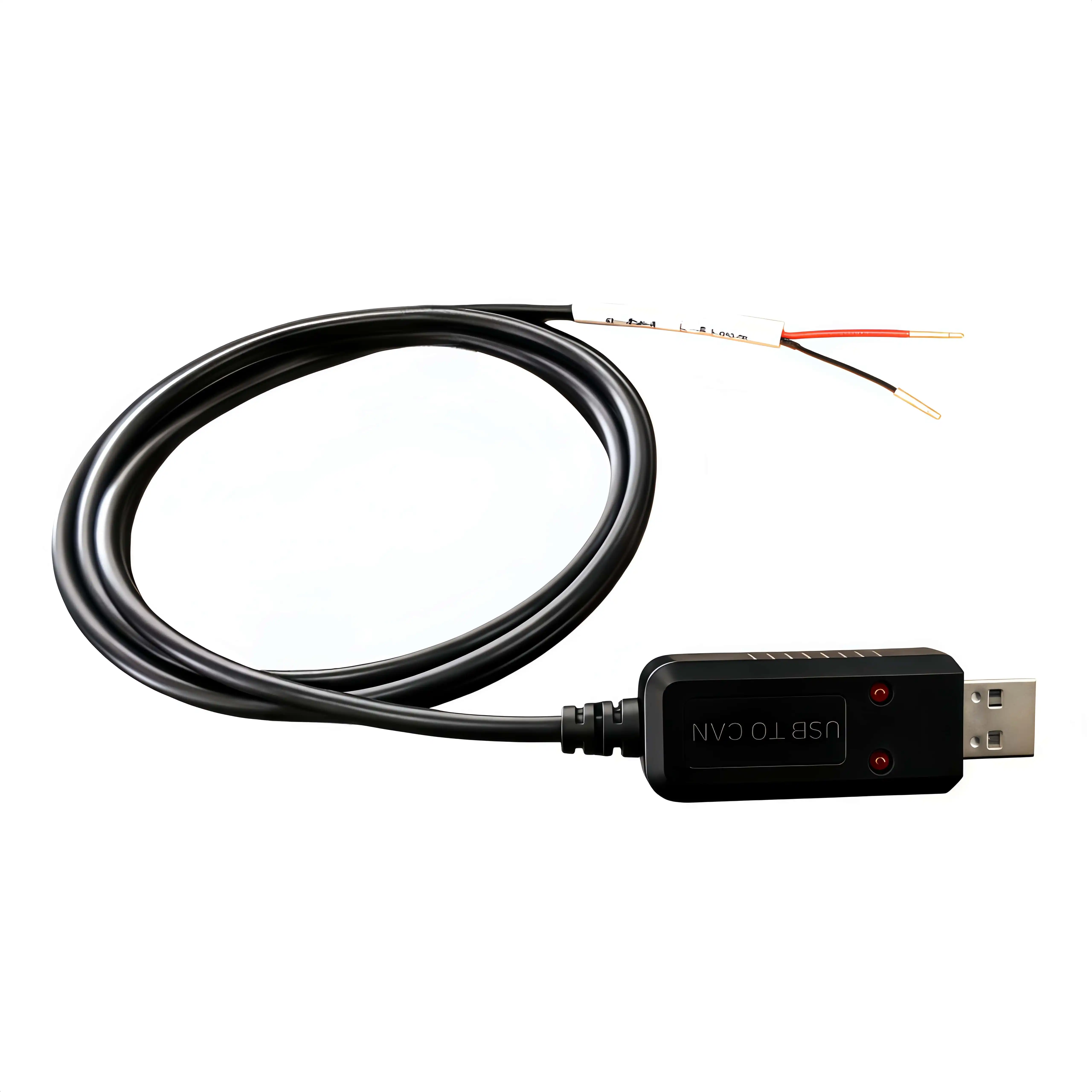
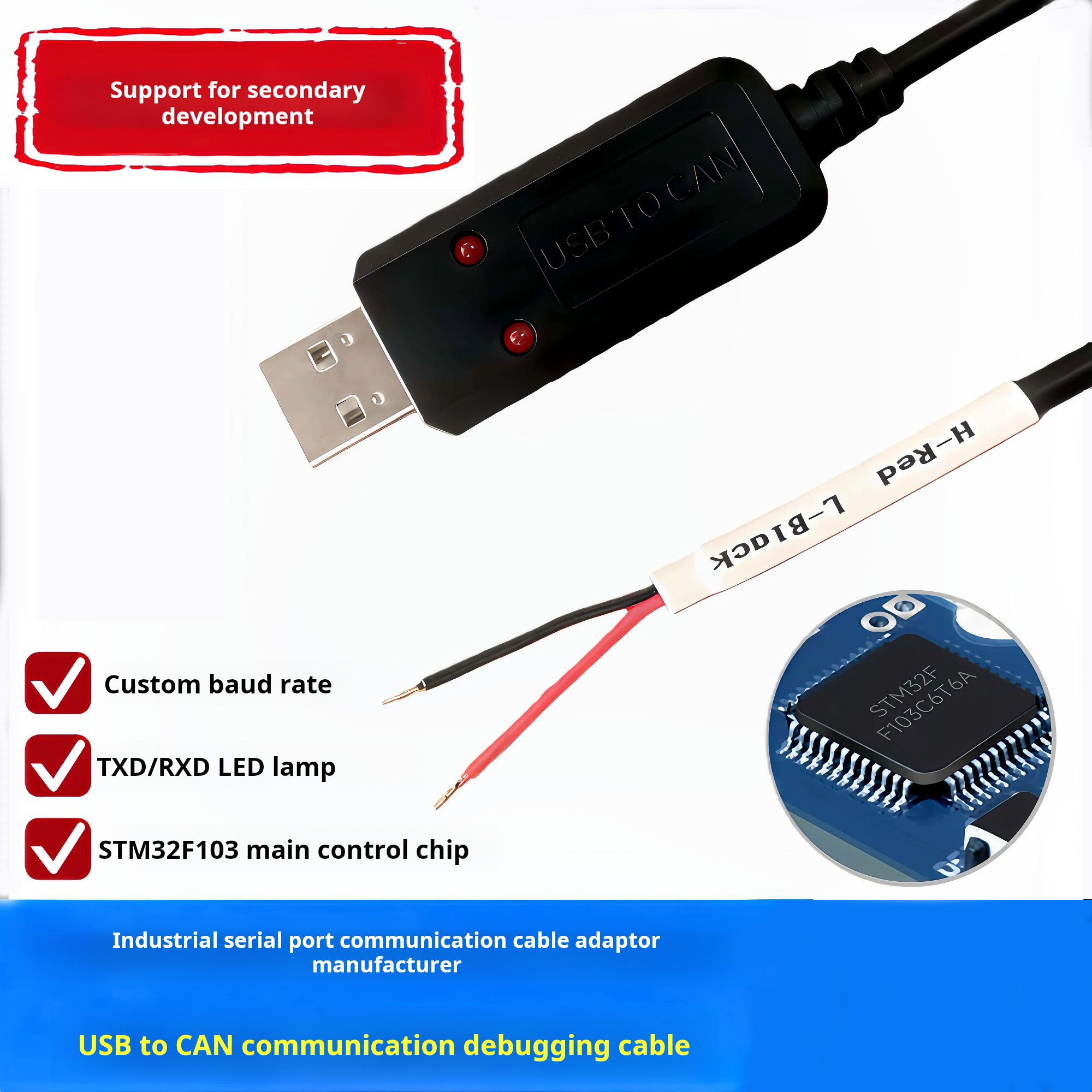
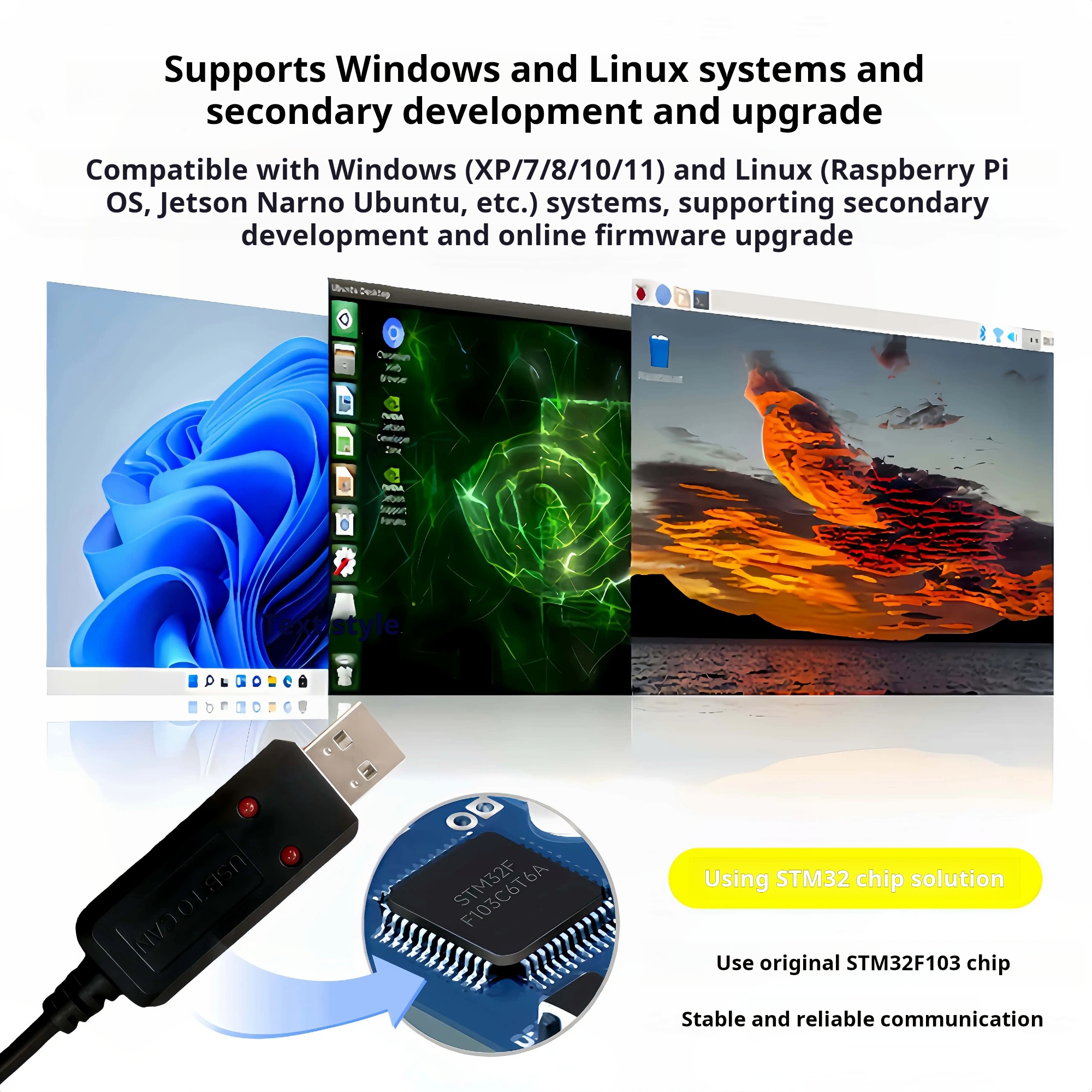
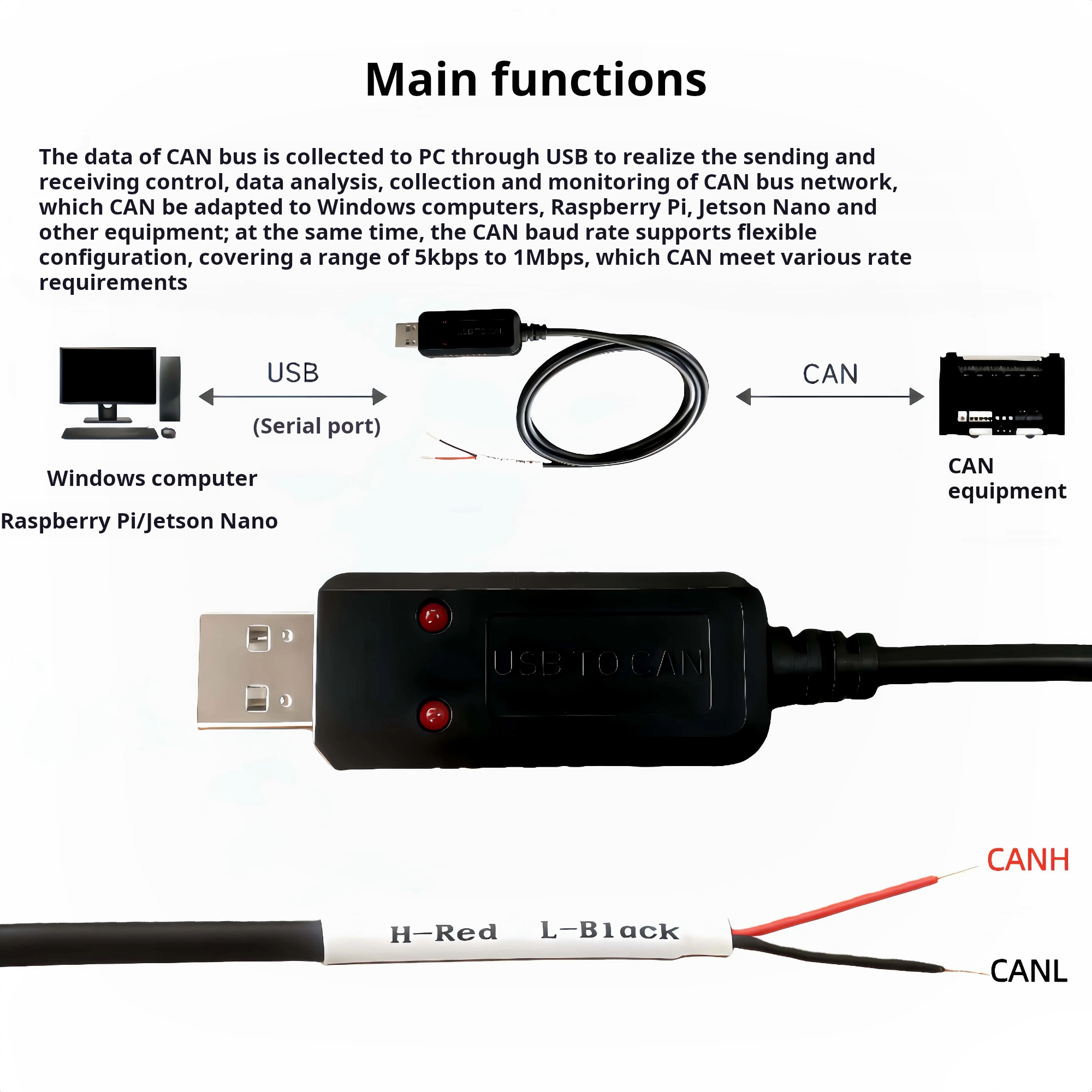
This professional USB to CAN FD Interface is an indispensable tool for engineers, technicians, and enthusiasts working on modern vehicles, especially New Energy Vehicles (EVs). It seamlessly bridges your PC with vehicle networks, enabling deep-level communication, real-time analysis, and precise debugging of electronic control units (ECUs). Compatible with industry-standard software, it's your all-in-one solution for development, testing, and maintenance.
Key Features & Advantages:
Advanced CAN FD Support: Fully supports both CAN 2.0 A/B (up to 1 Mbps) and the latest CAN FD (Flexible Data-rate) protocol. This high-speed capability is essential for diagnosing next-generation EVs and complex automotive systems where data volume is critical.
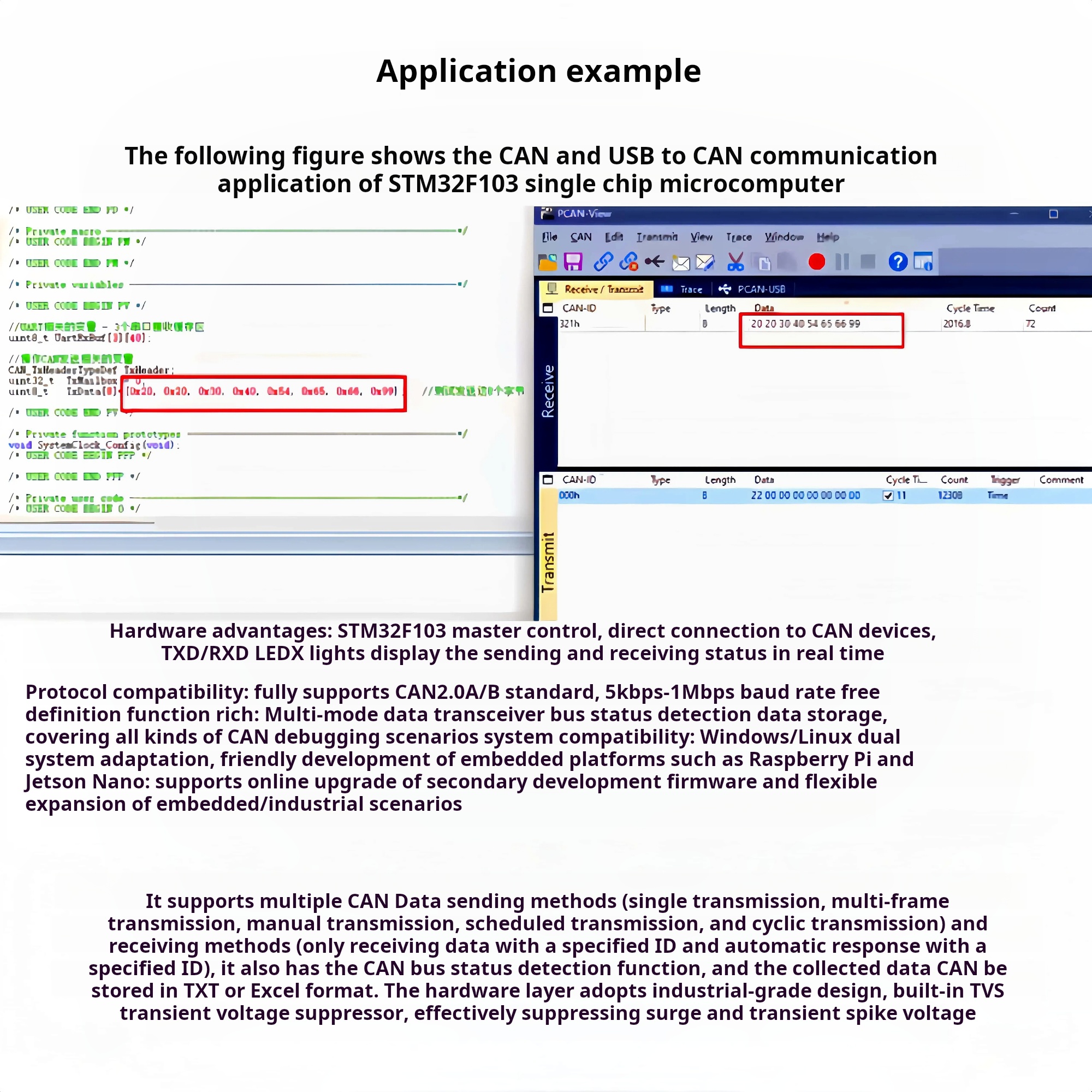
Professional PCAN Compatibility: Acts as a versatile PCAN interface, compatible with widely-used software like PCAN-View, PCAN-Explorer, and more. This allows for powerful data monitoring, logging, analysis, and simulation directly from your computer.
Dual-Channel Versatility: Features two independent CAN channels, enabling you to monitor two networks simultaneously or gateway messages between different bus segments (e.g., Powertrain CAN vs. Body CAN).
Built-in Galvanic Isolation: Protects your PC and the adapter itself from harmful ground loops, voltage spikes, and electrical noise commonly found in automotive environments. Safeguards your valuable equipment.
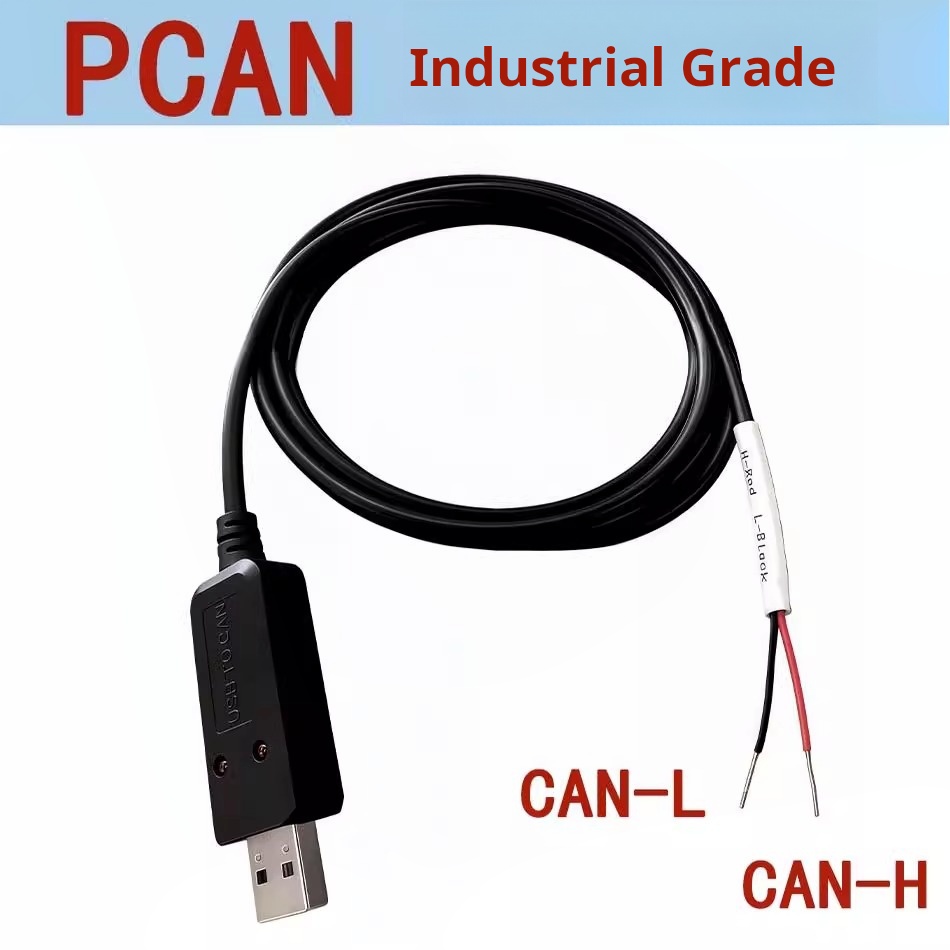
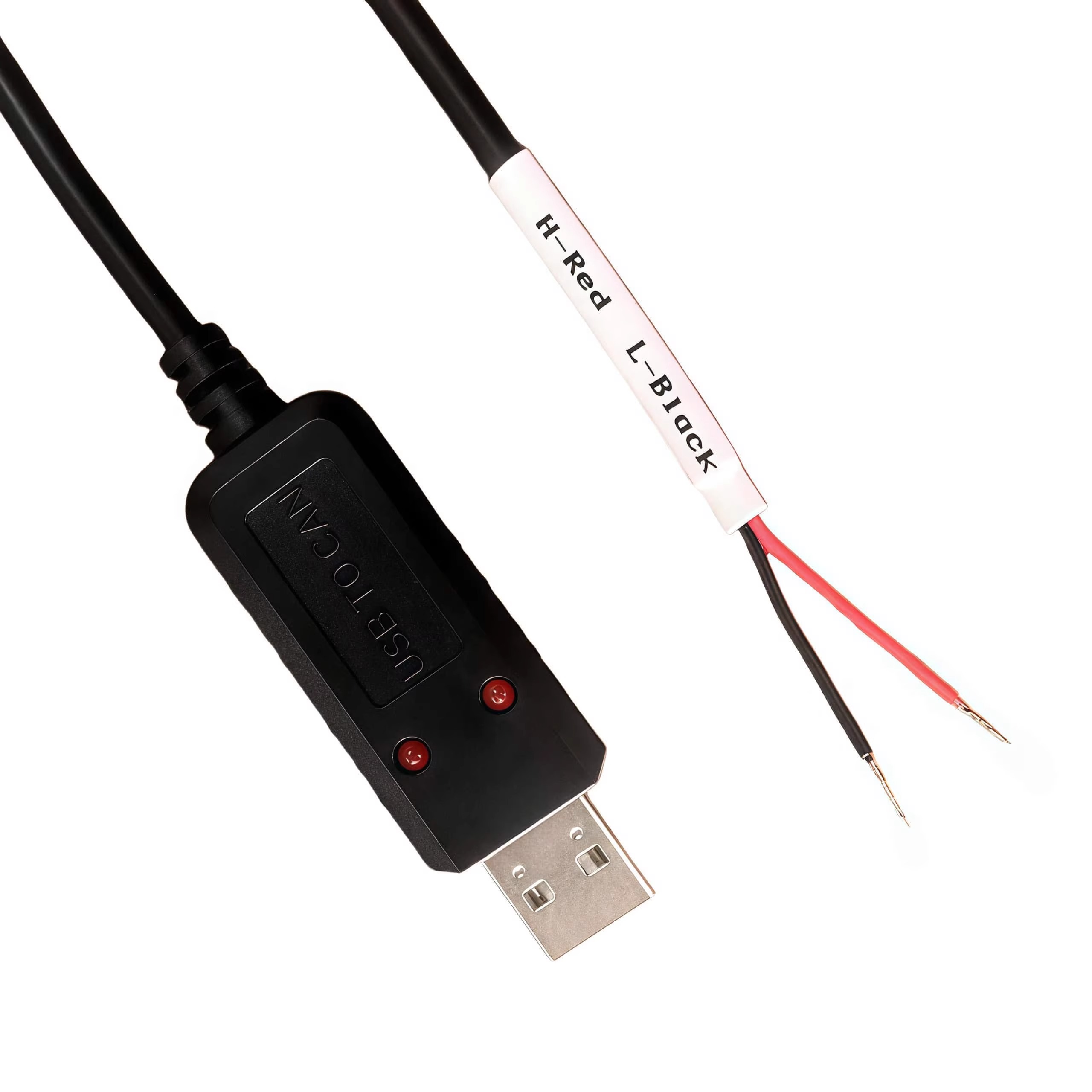
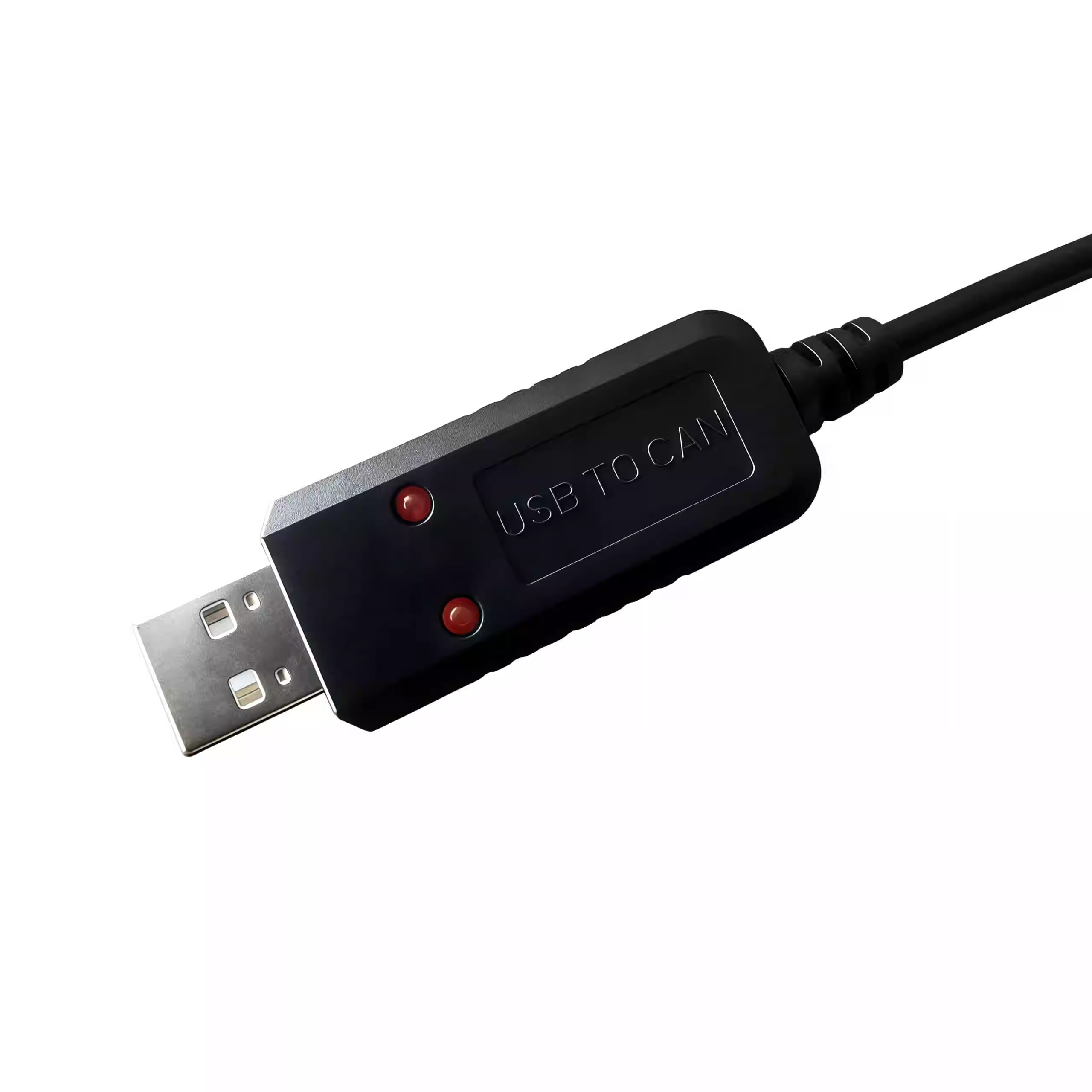
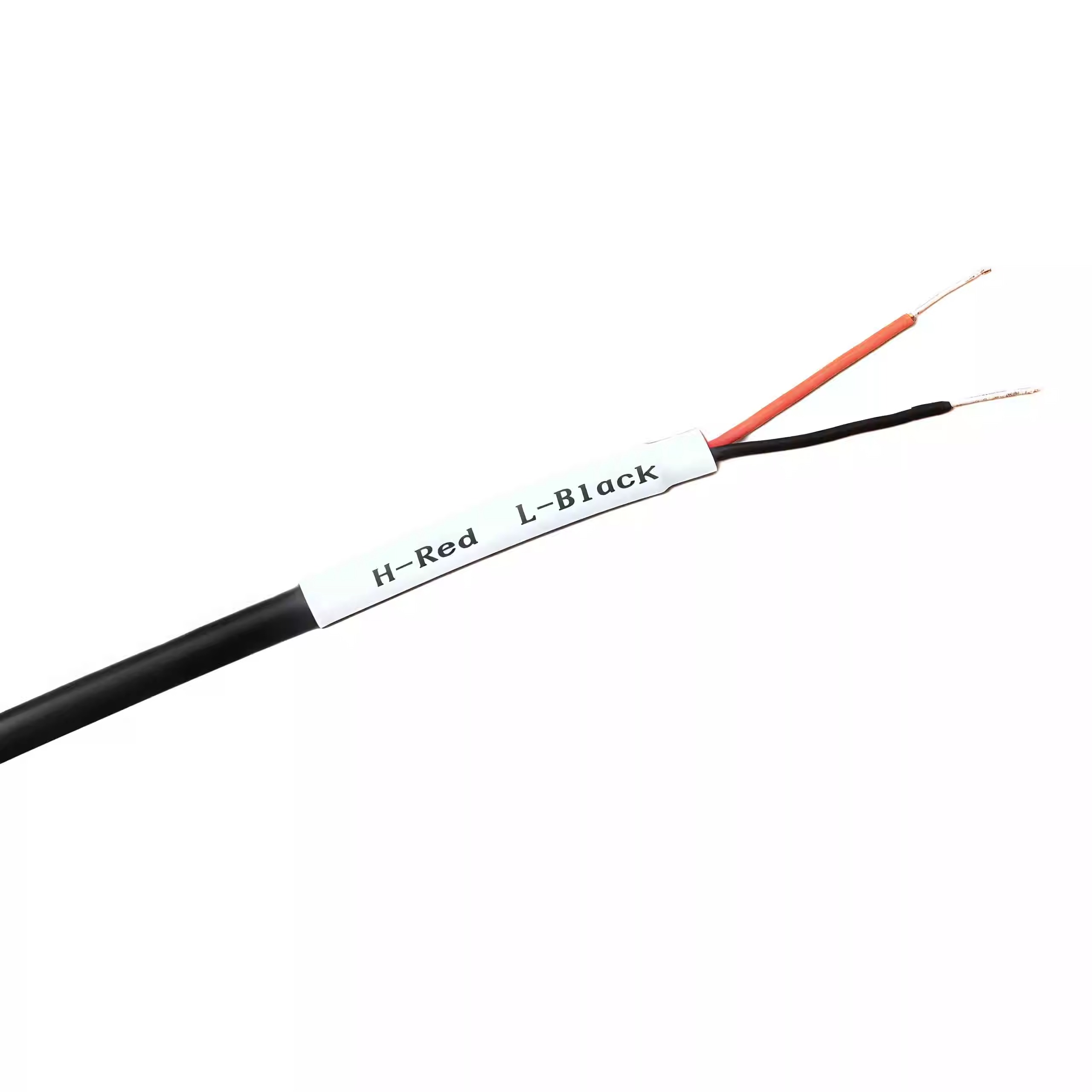
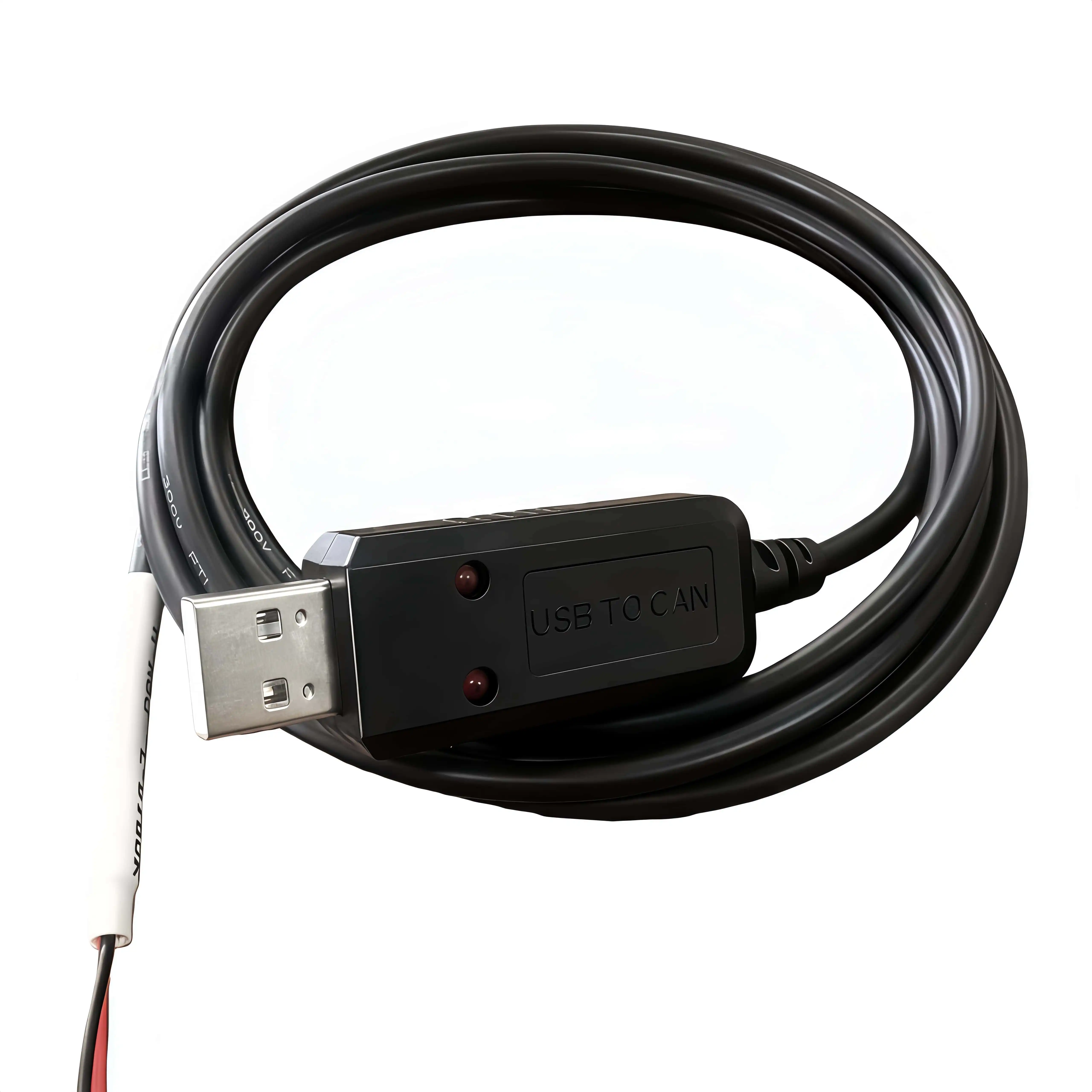
Plug-and-Play OBD-II Connection: Comes with a standard USB to CAN cable, allowing for instant connection to the vehicle's diagnostic port. No complex wiring is needed for most diagnostic tasks.
Comprehensive PC Software Suite: Includes powerful, user-friendly software for viewing, transmitting, and recording CAN traffic, making bus analysis intuitive and efficient.
Technical Specifications:
Interface: USB 2.0 High-Speed (480 Mbps)
CAN Standard: ISO 11898-2, compatible with CAN 2.0 A/B and CAN FD
Channels: 2 x independent CAN channels
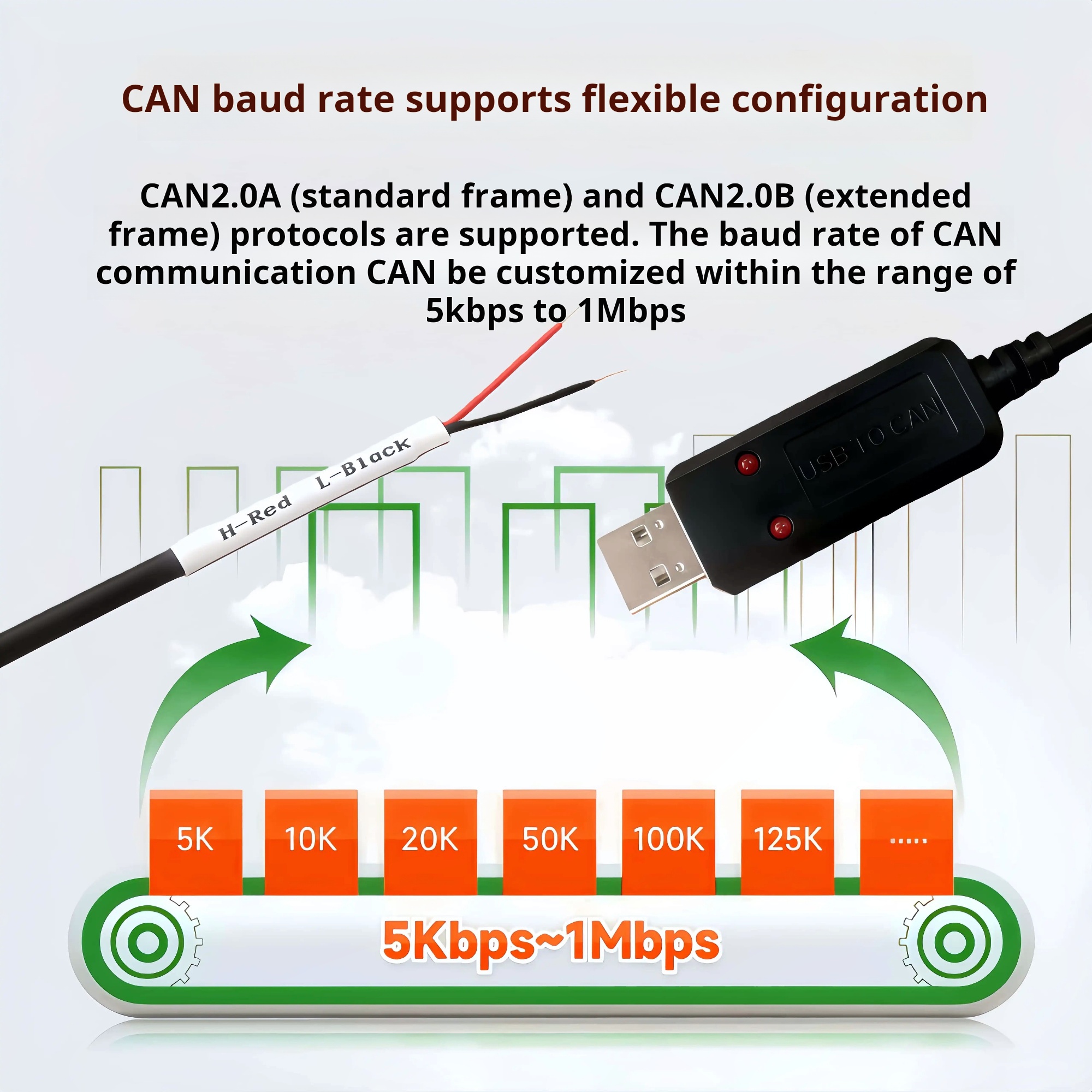
Bit Rates: CAN: 5 kbps - 1 Mbps;